
Sex Offender Checks in Swisher County
The Texas Public Sex Offender Registry search is the primary public channel for Swisher County. Texas DPS Crime Records Division manages the statewide data. Searchers can use a name route or geographic criteria. A county filter can focus results on Swisher, while city, address, ZIP, and radius controls help answer a place-based safety question.
The official Swisher sheriff page links registry information but no separate county map or alert app was confirmed. The statewide registry should therefore lead the search. NSOPW adds a national layer when a person or address question crosses a state or county line. No-result screens must be read with care because spelling, aliases, address changes, jurisdiction, and reporting status can affect a search.
Swisher Name and Radius Searches
A name search is best when the person is known. Use the full last name, add the first name, and check aliases shown on a matched profile. A place search is better for community awareness near a home, school route, park, or family destination. Enter the address in the format requested, then choose Swisher County, a city or ZIP, and the live radius option.
Do not equate a similar name with a confirmed identity. Compare the public photograph, physical description, aliases, registered address, offense data, and dates together. Likewise, a radius result is tied to the location data in the system, not a promise that every possible risk near that point appears. If a street near Happy is involved, confirm which county contains the exact address before filtering. For an old or uncertain location, broaden the search in measured steps and check the profile's current date context. Save questions about compliance for the law-enforcement authority instead of drawing a conclusion from the map alone.
How to Search the Texas Public Sex Offender Registry
Open the Texas DPS public registry and review its conditions of use before entering a person or place. Search controls can change, so use the labels and available radius choices displayed on the live form. The county option should be set to Swisher when the goal is a countywide list-style search.
- Choose the name or geographic route and enter only accurate information.
- For a local place search, select Swisher County and add city, ZIP, address, or radius criteria as the form allows.
- Review the result list, then compare several identifiers before opening a profile as a likely match.
- Read the full profile for offense, location, registration, and verification details, and note the date context.
| Field label | Type | Required | Notes |
|---|---|---|---|
| Last name | Text | Name search | Try accurate spelling variants and review aliases with care. |
| First name | Text | Optional narrowing | Helps reduce similar-name results. |
| Address | Text | Geographic route | Enter a valid street, city, and ZIP as prompted. |
| City | Text or select | Optional | Use Tulia, Kress, or Happy when applicable. |
| County | Dropdown | Optional | Select Swisher for county-focused results. |
| ZIP | Text | Optional | Use the five-digit format. |
| Radius | Dropdown | Geographic route | Use the current live options; do not assume a fixed distance. |
The official Texas registry notice source explains the system and lawful-use setting.
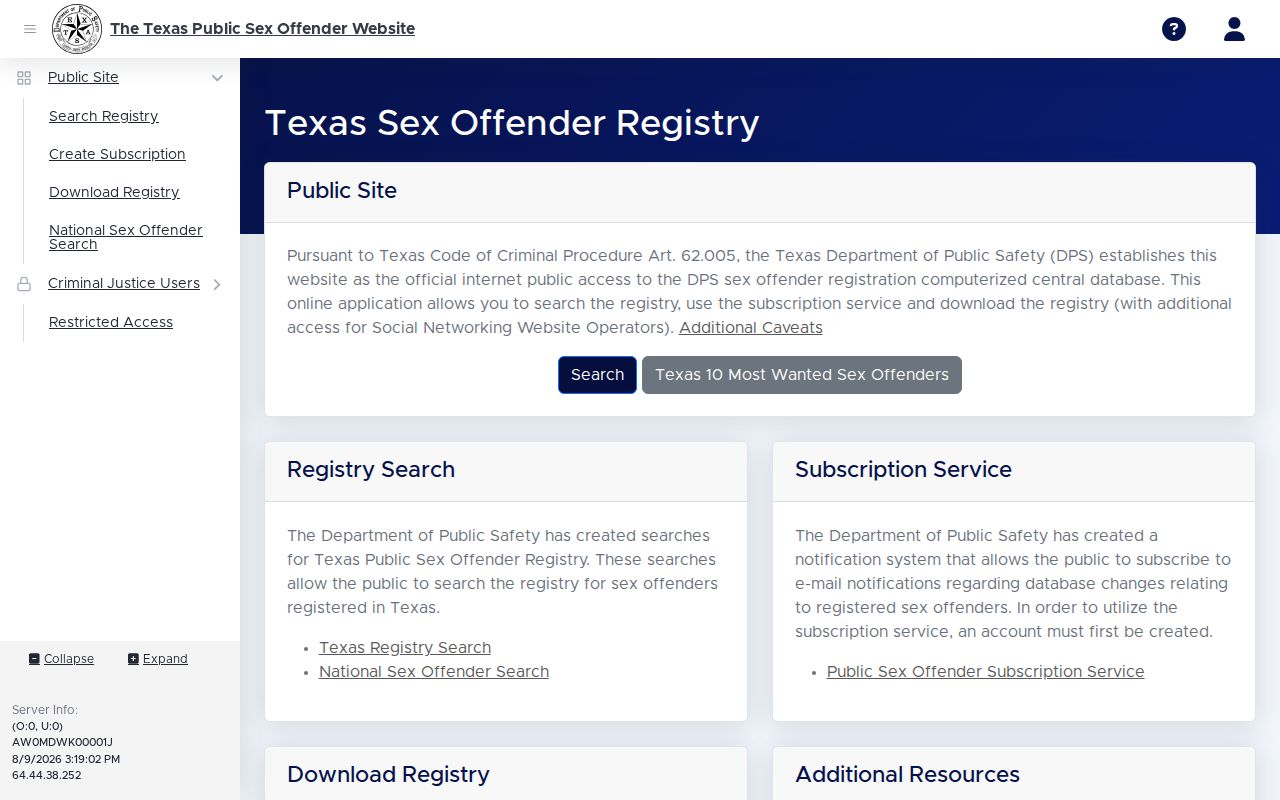
The notice should be read before anyone relies on a Swisher County registry result or acts on it.
Inside a Registry Profile
A public Swisher County registry profile can display identity, physical description, location, offense, disposition dates, registration status, verification information, and a risk level if one has been assigned and published. Some entries may also show marks or vehicle information. Read all fields together because an old address, alias, or date taken out of context can mislead.
| Name and aliases | Published names used to distinguish the registrant and support careful matching. |
|---|---|
| Photo and description | May include photograph, sex, race, height, weight, hair, eyes, and identifying marks. |
| Registered location | Shows the public address or geographic location made available by law. |
| Offense and dates | May identify the reportable offense, victim age, conviction date, and punishment context. |
| Risk information | Displayed only if Texas has assigned and published it; do not invent a federal tier label. |
| Status and verification | May show compliance, registration, verification, or absconded information as published. |
Compare the profile's date fields before acting on a location. An older photograph or verification date can still aid identification, but the live status and current address context deserve the most weight.
Protected Swisher Registration Fields
Texas Article 62.005 makes central registry information public but keeps specific identifiers out of the public profile. The protected set includes a Social Security number, driver's-license number, home, work, and cell phone numbers, and employer identity, address, and phone. Other legally protected data also stays confidential.
The official Texas registration law defines the public and protected sides of the record.
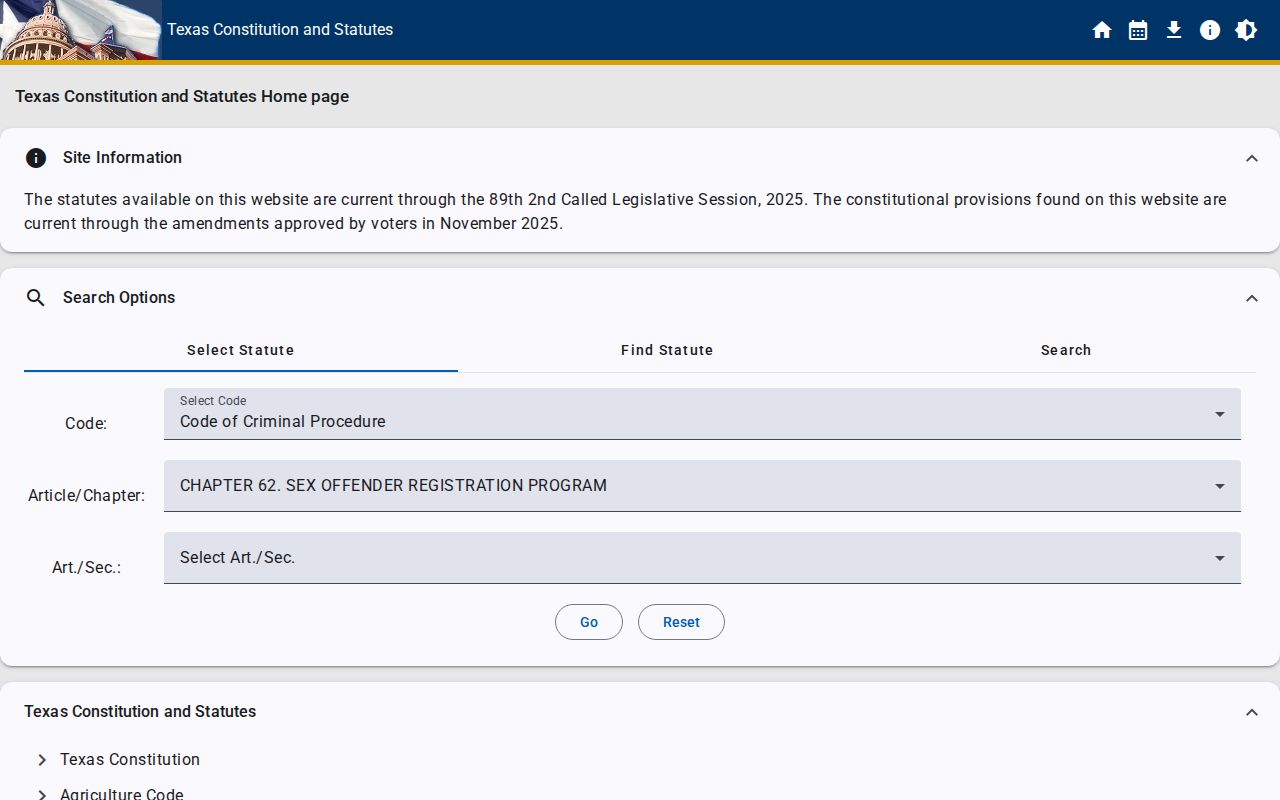
This split explains why a public Swisher County profile can be detailed without exposing every field law enforcement collects.
The registration form itself may collect more than the profile shows, including fingerprints, online identifiers, shoe size, and other facts required by law. Public access should be judged from Article 62.005 and the live profile, not from an assumption that every collected field must be posted. Never try to fill a protected gap through an unofficial source. If a field matters to a safety concern but is not public, describe the concern to law enforcement and let the responsible office decide what it can confirm.
Texas Registration Levels and Requirements
Texas duration is tied to the offense and statute, not a simple public Tier I, II, or III label. Article 62.101 generally requires lifetime registration for named sexually violent and other listed offenses. Other qualifying adult convictions or deferred cases commonly end on the tenth anniversary after the latest of release, discharge from community supervision, or dismissal and discharge. Juvenile and transferred cases have separate rules.
| Texas category | General duration | Verification context |
|---|---|---|
| Enumerated lifetime offenses | Lifetime under Article 62.101 | At least the statutory schedule that applies to the person |
| Other qualifying adult cases | Commonly ten years from the latest listed release or discharge point | Generally annual unless a different rule applies |
| Two or more reportable convictions or adjudications | Duration remains offense based | Generally every 90 days under Article 62.058 |
| Juvenile or transferred matters | Special statutory rules | Schedule depends on the governing provision |
Note: Federal SORNA tiers may help explain federal law, but they should not be assigned to a Swisher County profile without official support.
Verification frequency is also statutory. Article 62.058 generally calls for annual verification, while a person with two or more reportable convictions or adjudications generally verifies every 90 days. Other schedules can apply. A verification date should therefore be read with the person's governing duty, not against an invented three-tier chart. Questions about a late date or apparent address issue belong with the responsible local authority or DPS.
Swisher Registry Searches Across Happy
Happy spans Swisher and Randall Counties. A place described only as “Happy” can therefore fall under a different local registration authority and county filter. Run the Texas registry search with the precise street or county. Then use the National Sex Offender Public Website when the safety question reaches beyond one Texas county or across a state line.
The official NSOPW source provides the national federated search layer.
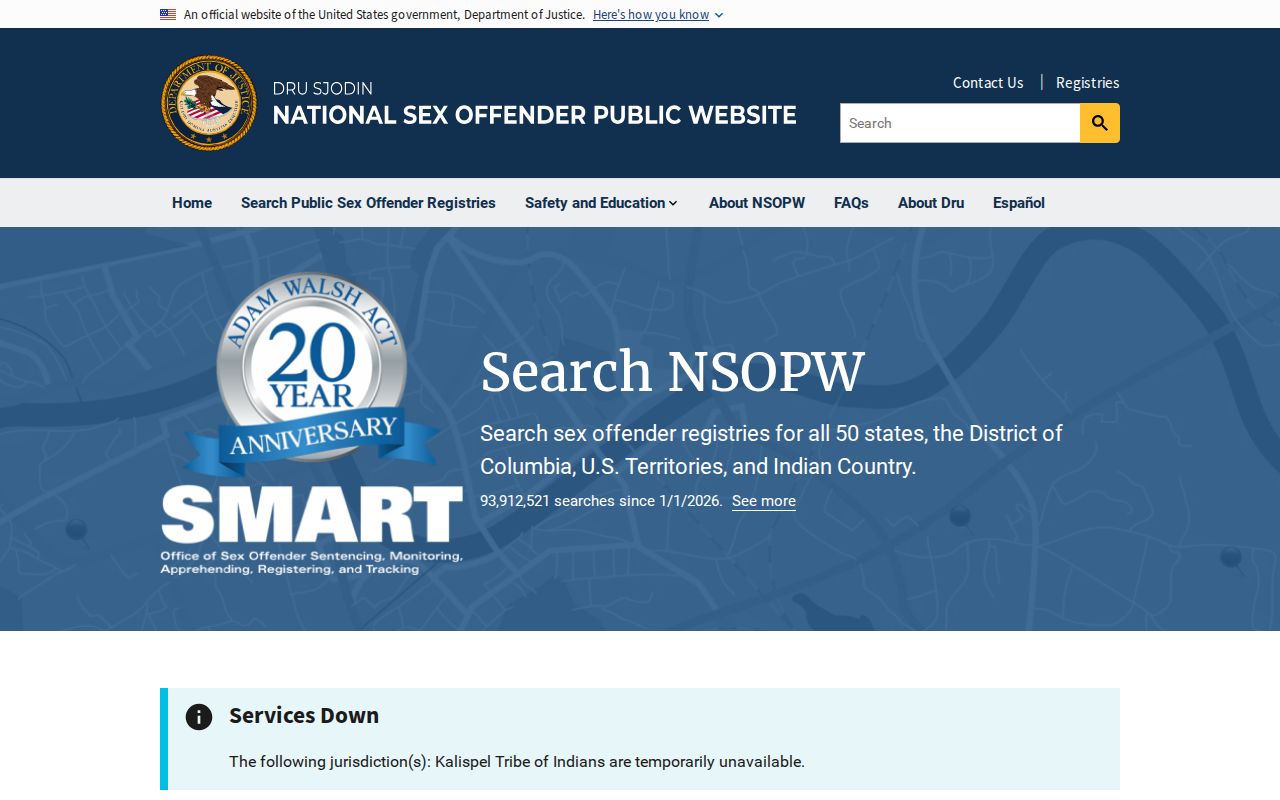
NSOPW complements the Texas source; it does not turn a no-result screen into a personal safety guarantee.
Community Notification and Lawful Use
Registry data supports personal, family, and neighborhood awareness. It can help a reader recognize an address, understand a published offense and date, and share facts with the responsible law-enforcement office. It does not authorize threats, harassment, intimidation, vigilantism, or discrimination. Suspected noncompliance should be reported to the municipal authority, Swisher County sheriff, or DPS with facts rather than confrontation.
Use registry information lawfully: Threats, harassment, intimidation, or other misuse may be criminal. Article 62.102 separately makes a registrant's failure to comply a Texas offense; report concerns to law enforcement.
Swisher County has no confirmed sheriff registry-alert app. Use the live Texas DPS source for current public data and follow any notification tools it actually offers. Confirm urgent safety concerns with law enforcement instead of relying on an old screenshot or copied profile.
A sound safety response stays factual. Check the address and update context, review the offense and registration fields, and contact the proper office when something appears wrong. Do not republish a profile to rally confrontation. If the concern involves an immediate threat, use the proper emergency channel; if it concerns possible registration noncompliance, report the specific facts without approaching the person or household.
Swisher Registry Duties and Expunction
Do not assume that a case record remedy automatically changes a Texas registration duty. Registration duration and compliance turn on Chapter 62 and the controlling case facts. Texas expunction is a separate remedy under Chapter 55A for qualifying criminal records. Any question about ending a duty requires the actual judgment, offense provision, and current law.
The official Texas expunction chapter is distinct from the registration statute.
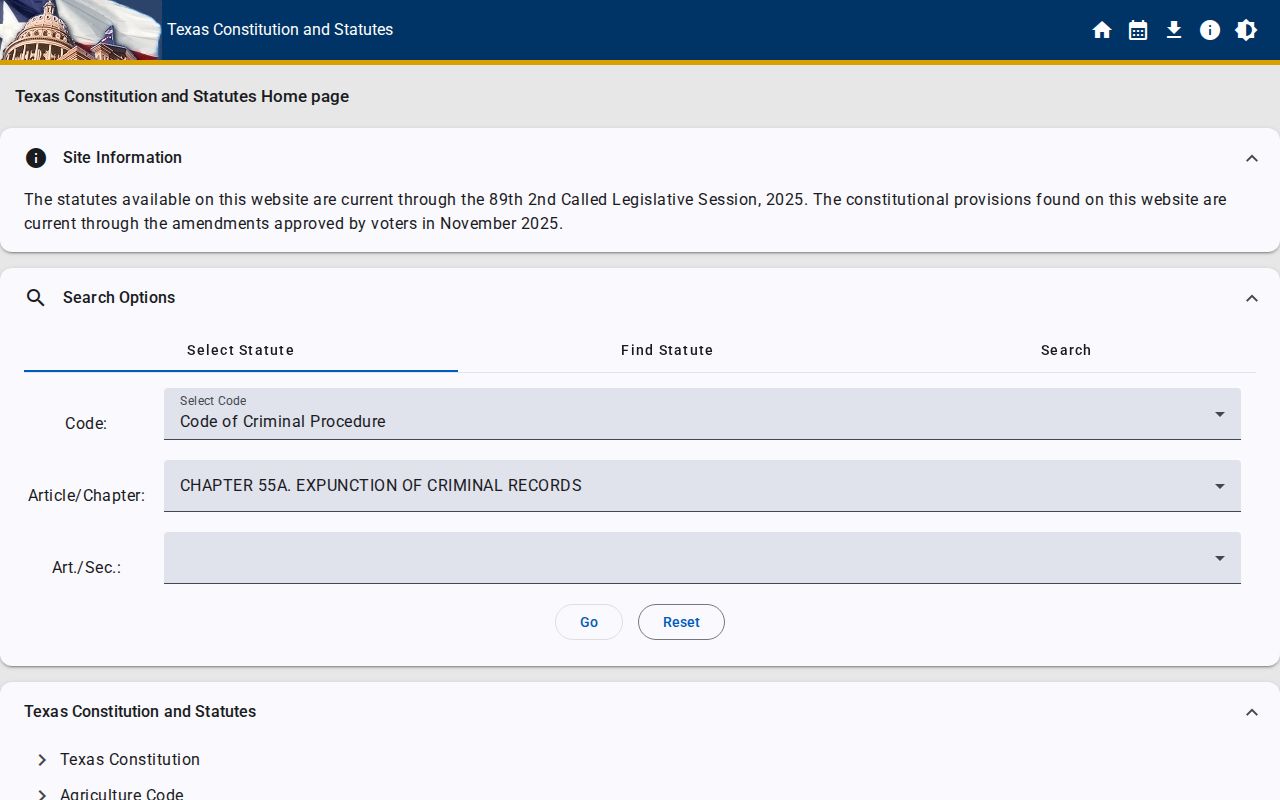
The separate source helps prevent a reader from treating expunction and registry removal as the same process.